JUN – AUG 2025
Returning to Medtronic for a second summer was a privilege that allowed me to grow my experience working in a lab, prototyping products, performing testing, communicating technically, and learning engineering software such as MATLAB, Arduino, and Altium Designer. Traveling between Medtronic's Gunbarrel and Lafayette sites, I was fortunate to collaborate again with the Oximetry & Wearables team, this time with more focus on Mechanical Design work. My main project was largely self-led, so I practiced task and timeline management, often utilizing critical thinking to evaluate my next steps. I was tasked with identifying the best sensor to distinguish between different sites on the body and developing a prototype to do so.
I additionally completed 2 smaller projects and continued my engagement and learning through informational interviews, SWE professional development events, volunteering, leadership summits, lab tours, meeting the different operational units, and supporting my peers with their work when applicable. I furthered my love for hands-on design work and idea generation. My creativity, adaptability, and independence helped me excel in this role, and I look forward to enhancing these strengths and the new technical skills I picked up during this internship!
Theory, testing, results, and documentation.
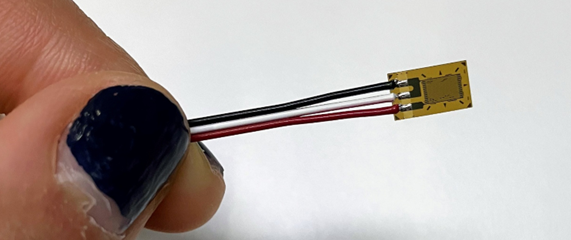
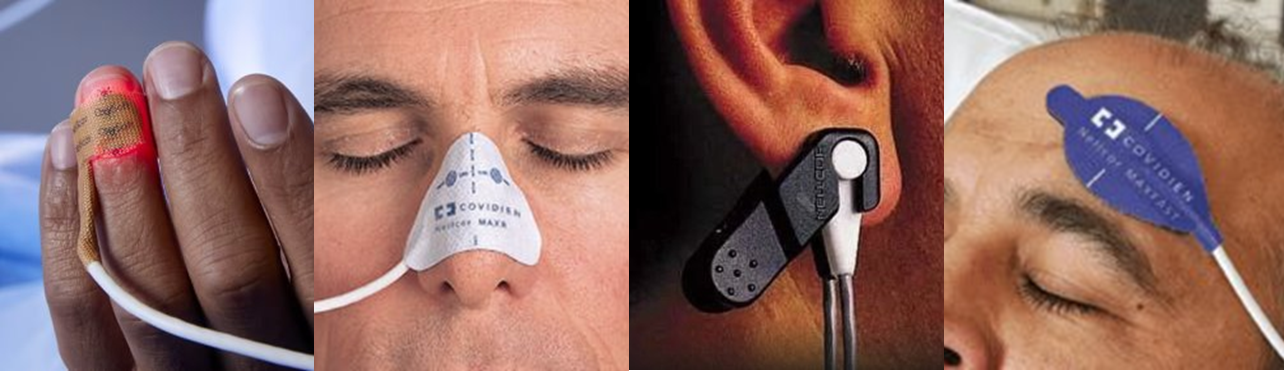
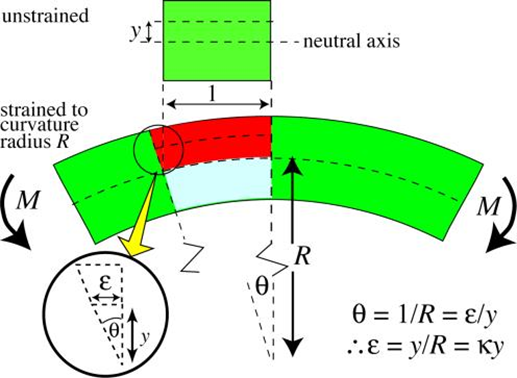
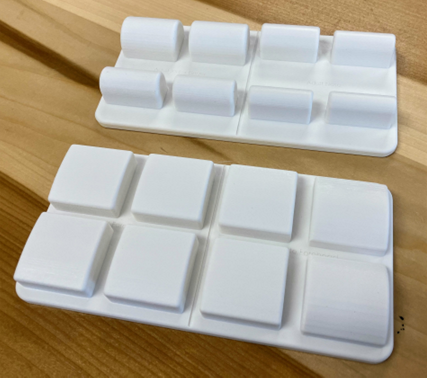
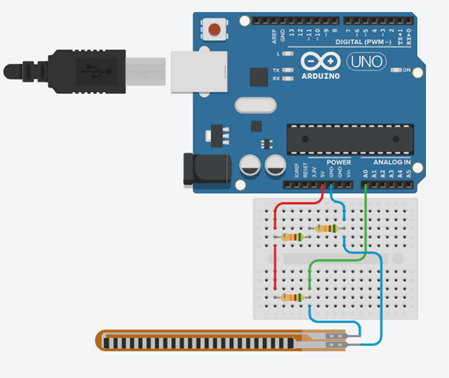
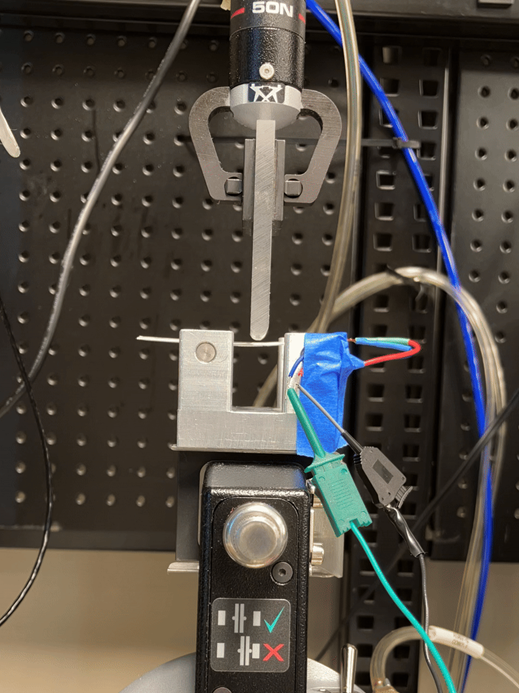
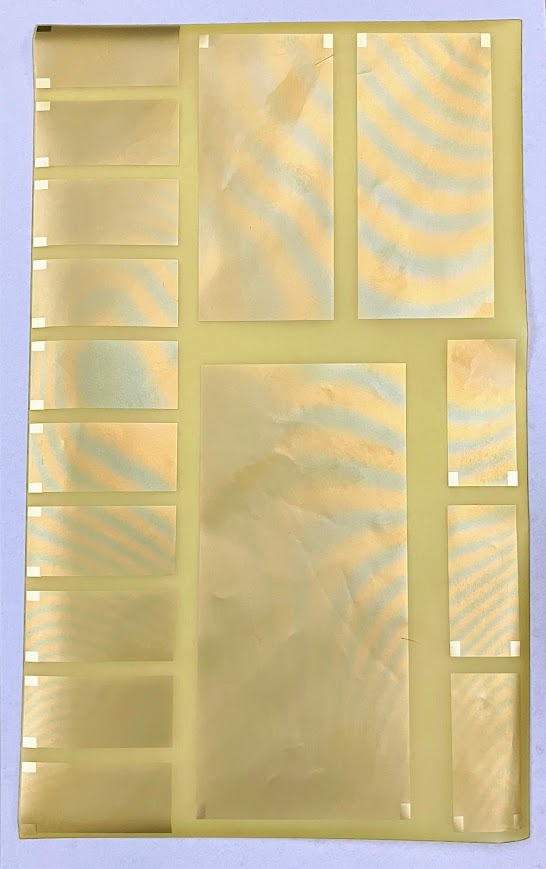
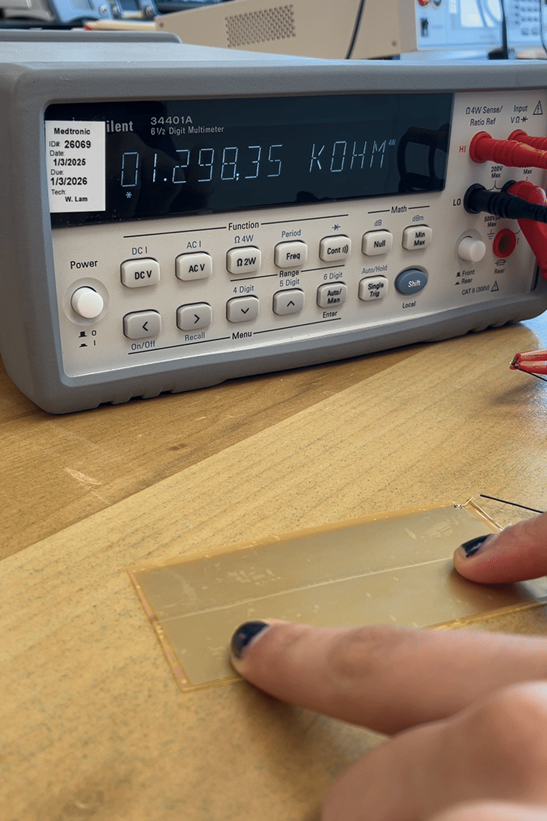
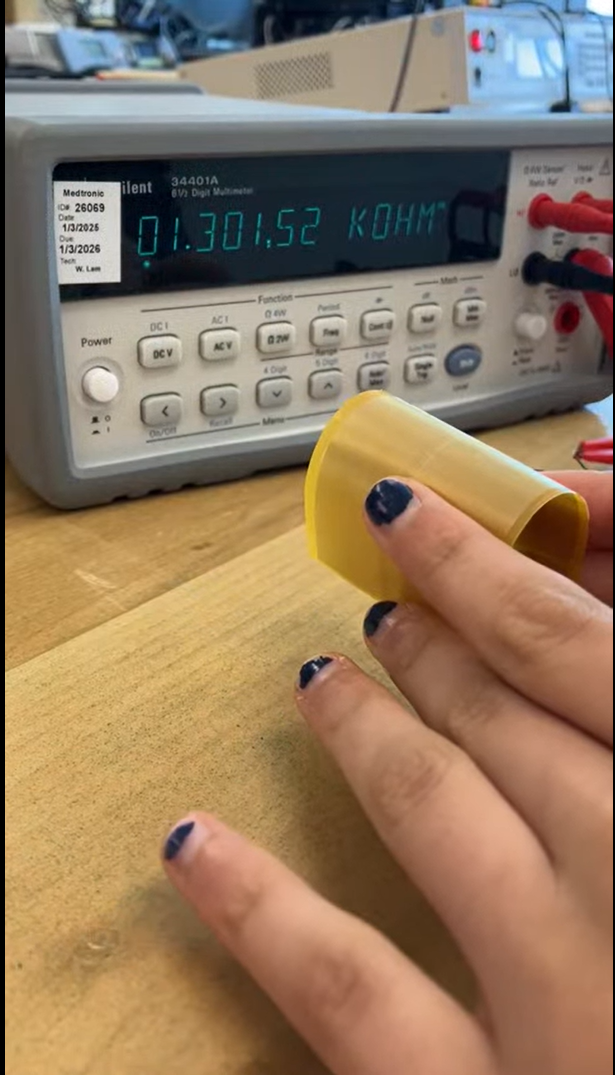
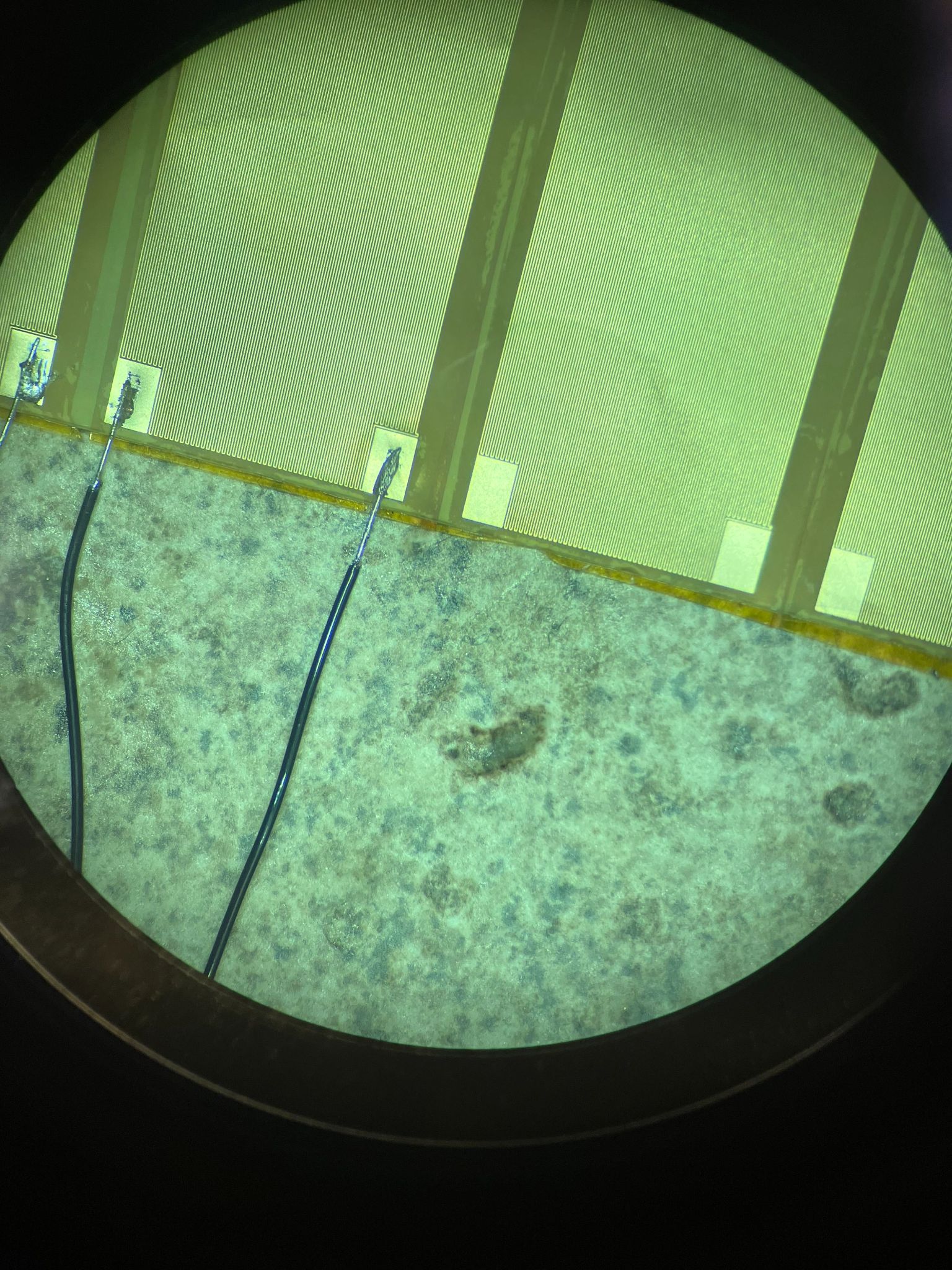
My summer goal was to find the best way to distinguish between 3+ sites on the human body. Because there is such diversity in Medtronic sensors and their application, being able to identify between different locations is crucial for calibrating pulse oximetry data, which behaves differently in each site. For this project, I looked at differentiating between the Adult Finger, Nose, Forehead, and Neonate Forehead based on their curvature. I used data from Human Factors and SolidWorks to create test fixtures and ran calculations using my knowledge from Mechanics of Solids to predict the expected strain at each surface. I refined my testing skills, evaluating strain gauges, flex sensors, and force sensors as possible detection methods. This process required me to create a Wheatstone bridge-Arduino circuit as well as a strain gauge amplifier to collect data. I tracked all my discoveries and methods in a 28+ page technical report.
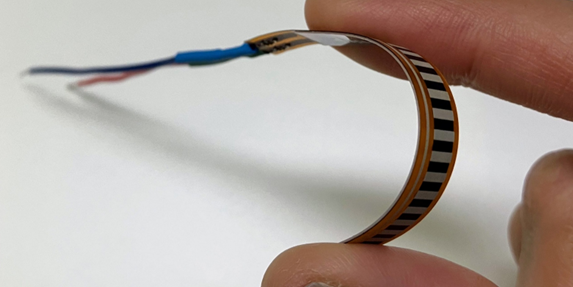
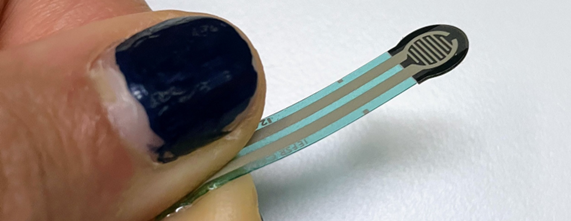
Examples of sites where Medtronic pulse oximetry sensors can be applied, and some of the different curvature-detection sensors I worked with and studied over the summer.
Laboratory Test Design, Execution, and Documentation.
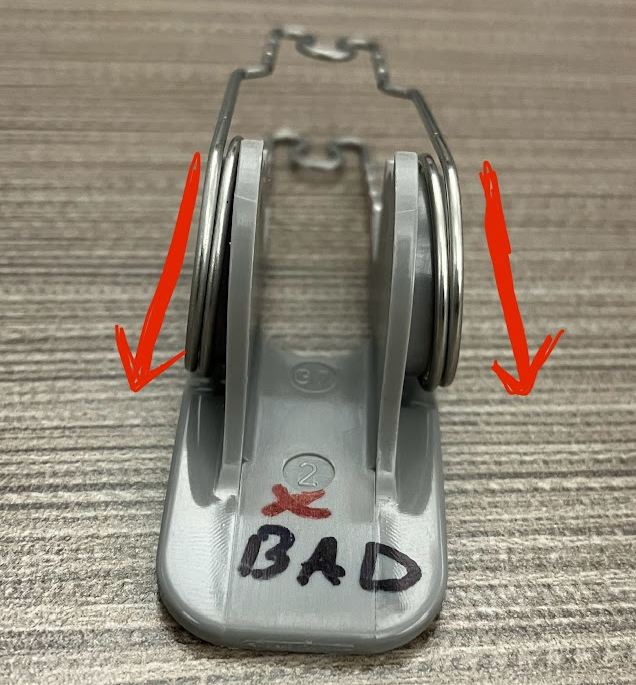
Other major projects during my internship included performing a failure analysis on a released product. My strategy was to begin with hypotheses about the causation, use what info and resources I already had, and ultimately experiment with the parts to hone in on the problem. I concluded this to be a tolerance stack-up issue and was excited to learn weeks later that this had solved the manufacturing issue.
I also got to do SolidWorks CAD for variants of a next-gen pulse oximetry sensor. The time I put into crafting clear assemblies and components paid off in visuals that the team was able to use for communicating design ideas cross-functionally.
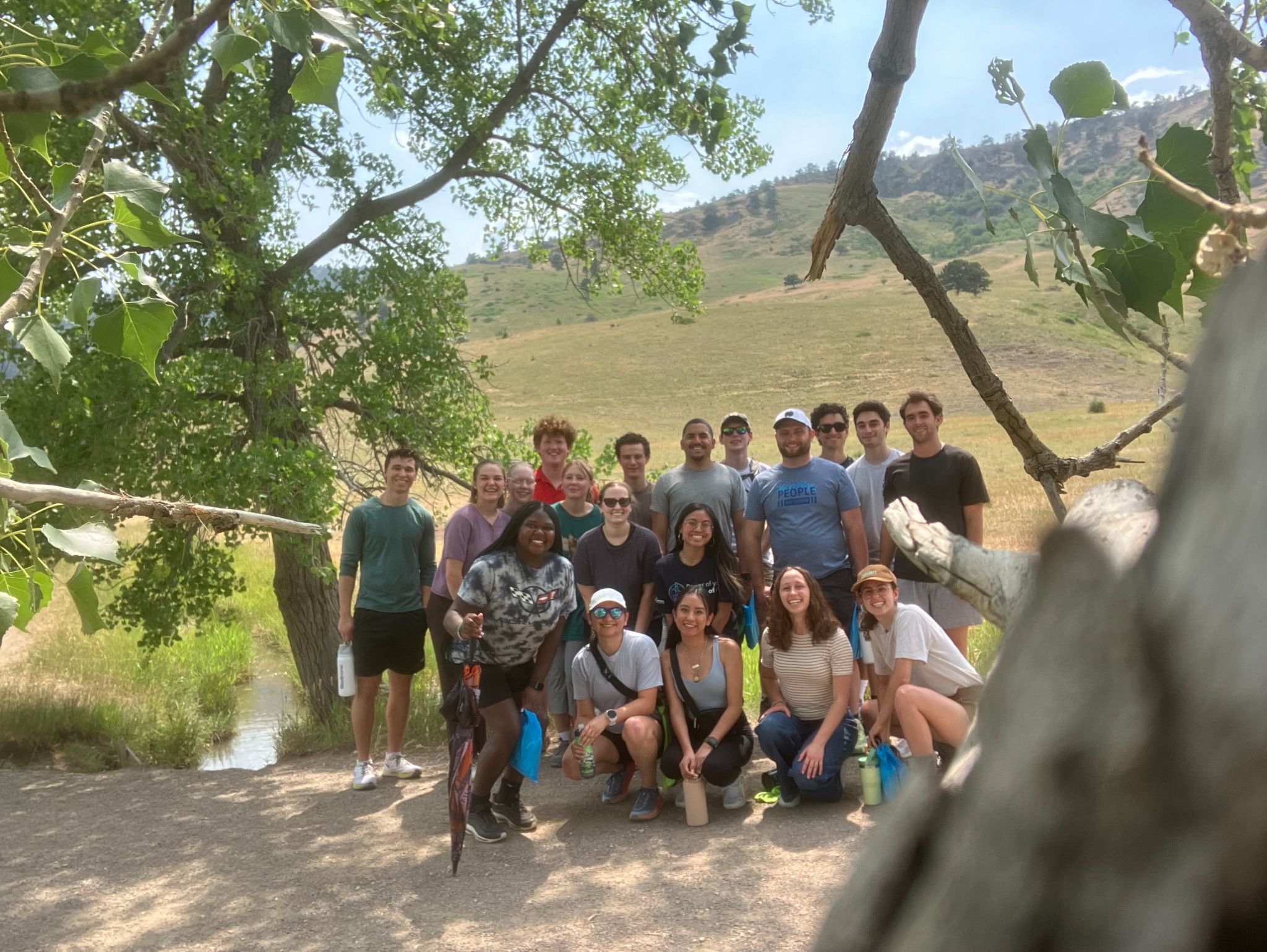
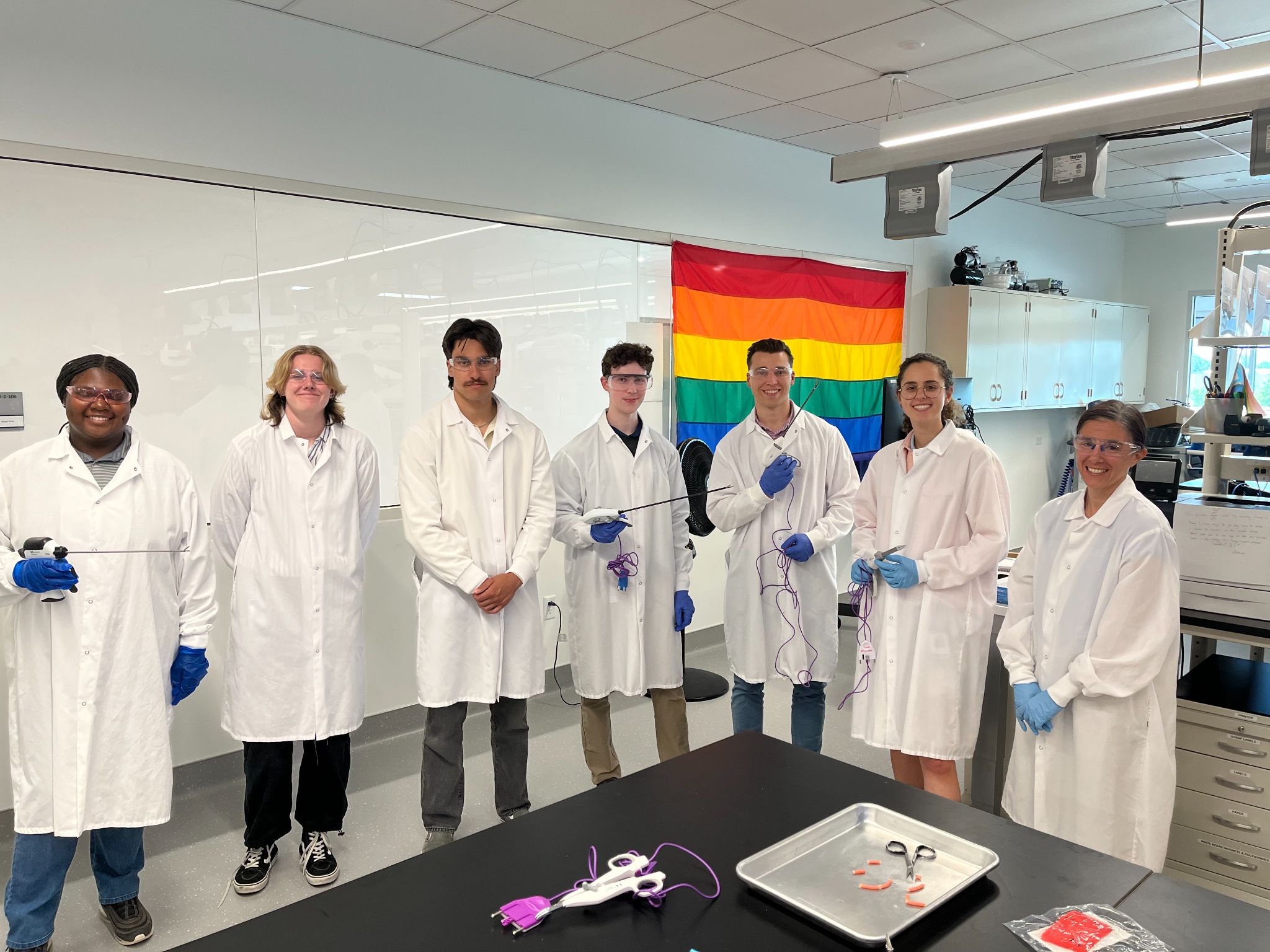
Snapshot into my Summer!
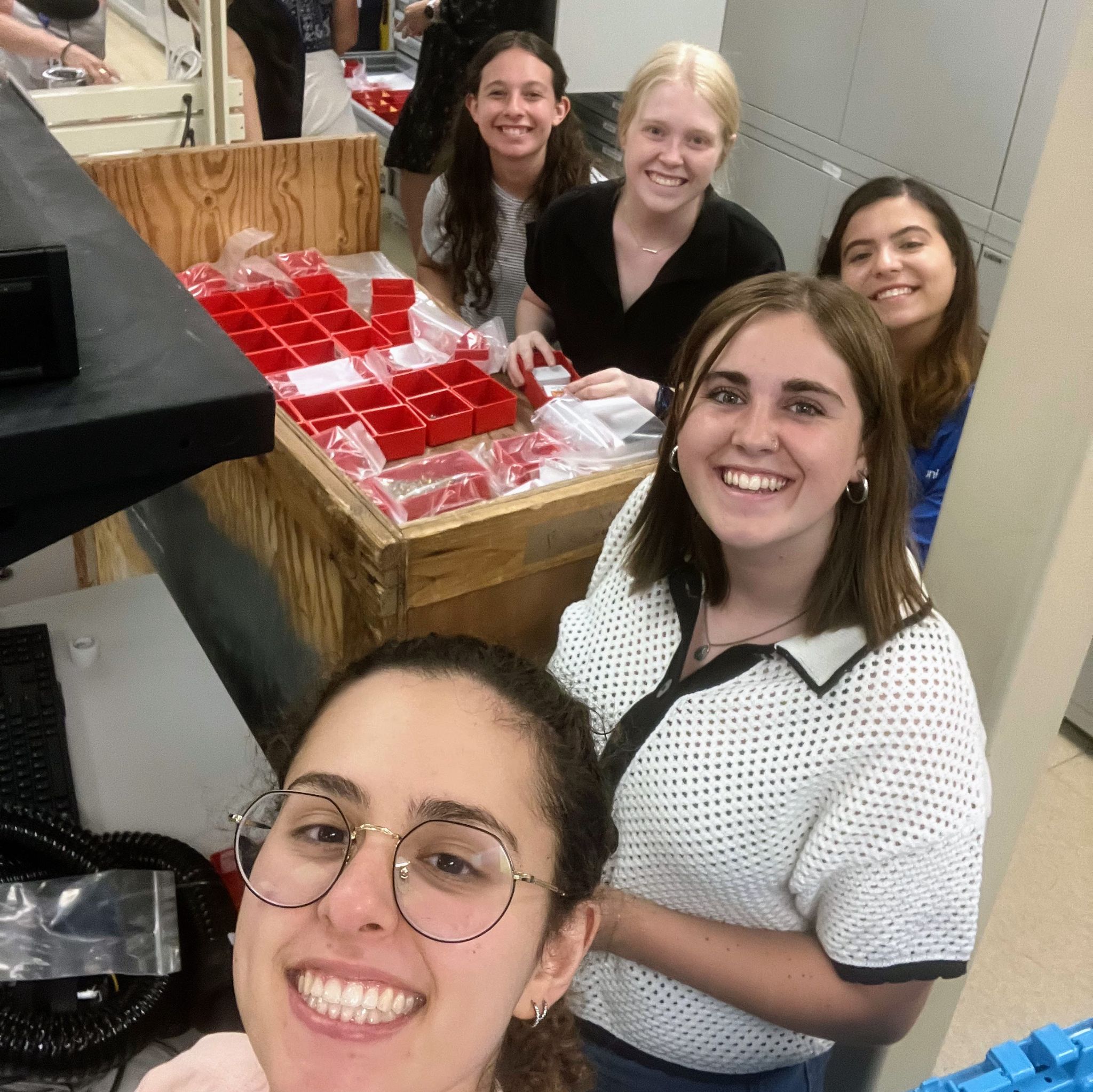
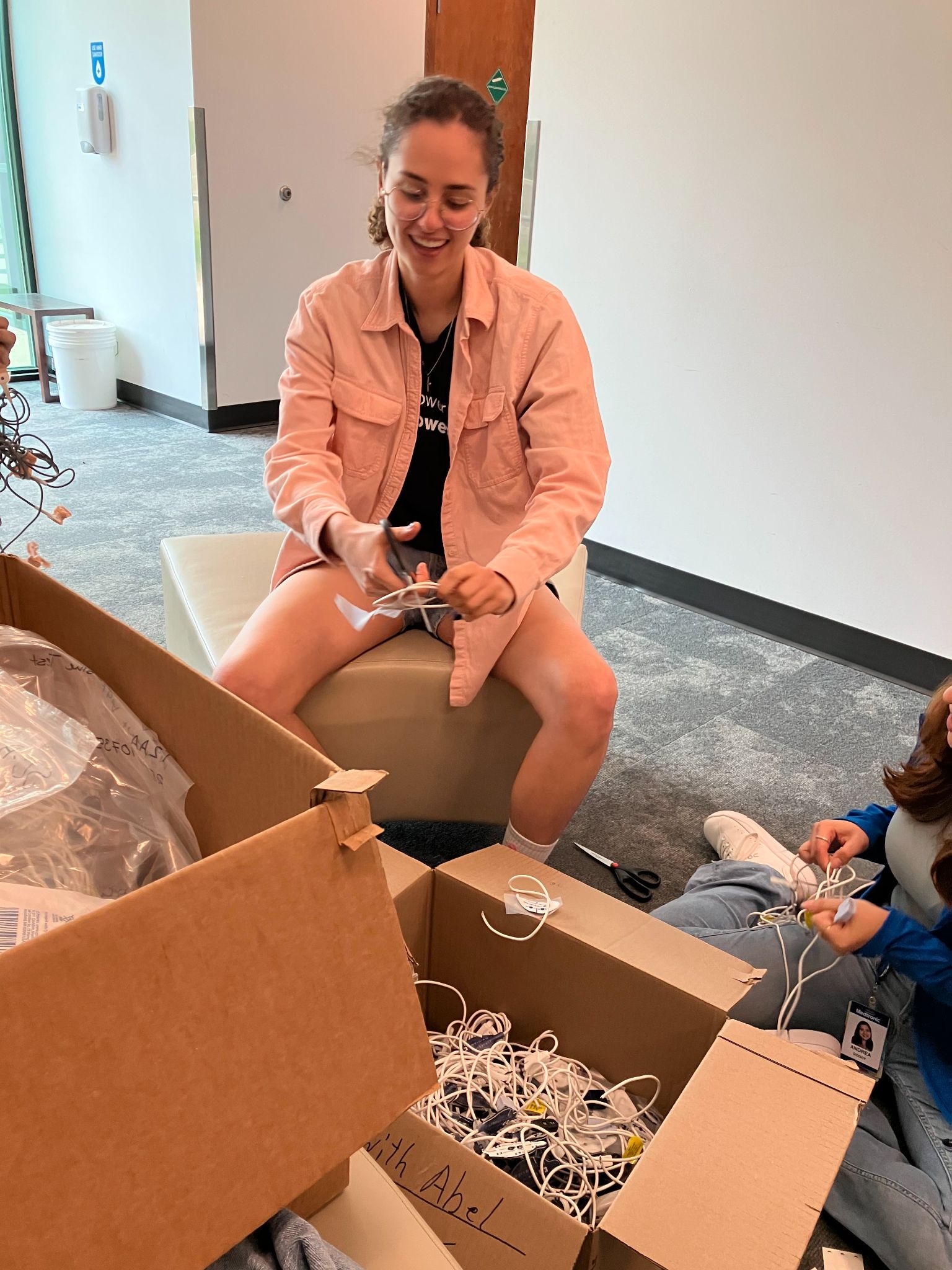
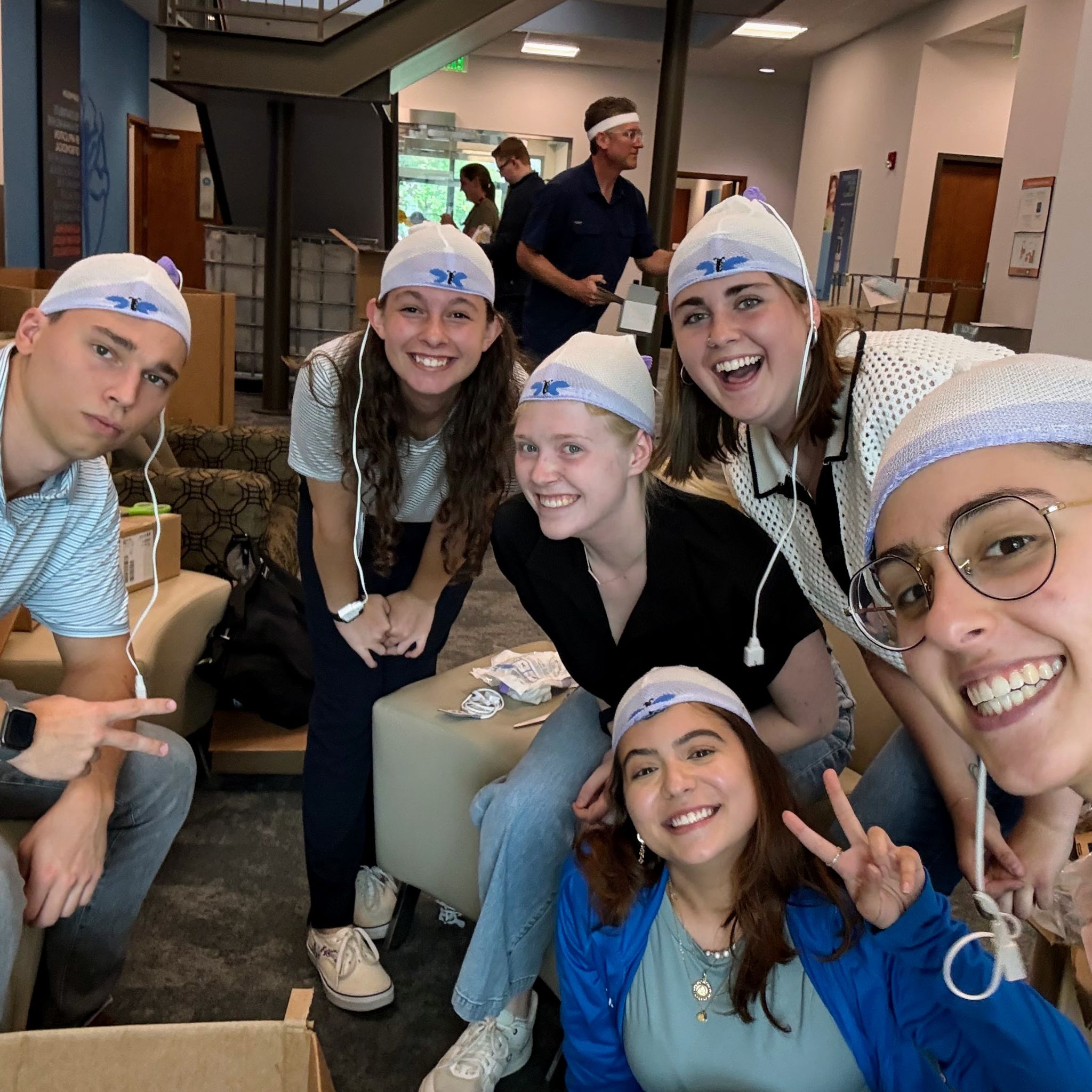
Helping pack up the lab in Boulder because the team was moving to Lafayette.
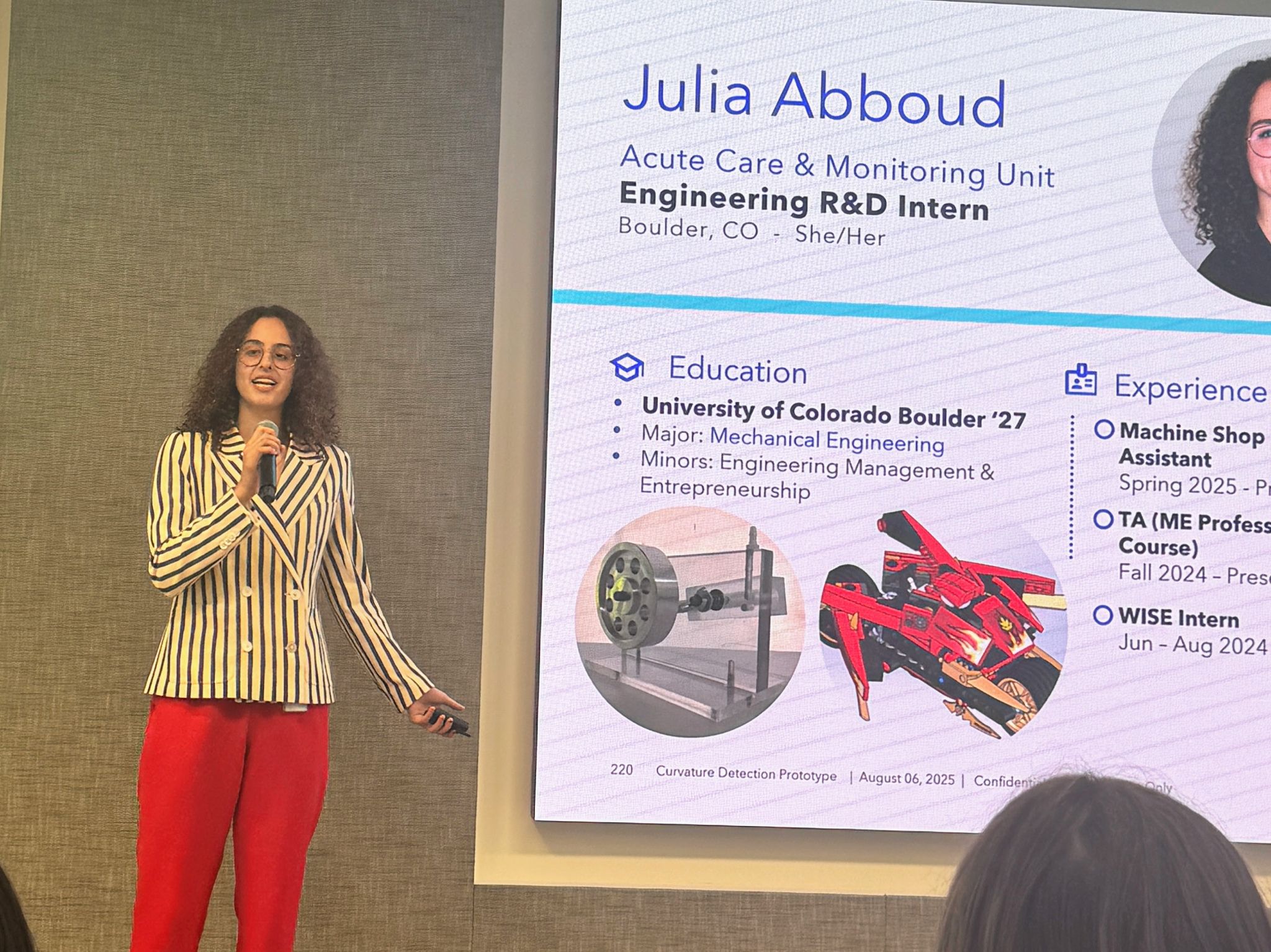
My final intern presentation to the broader team and company.